
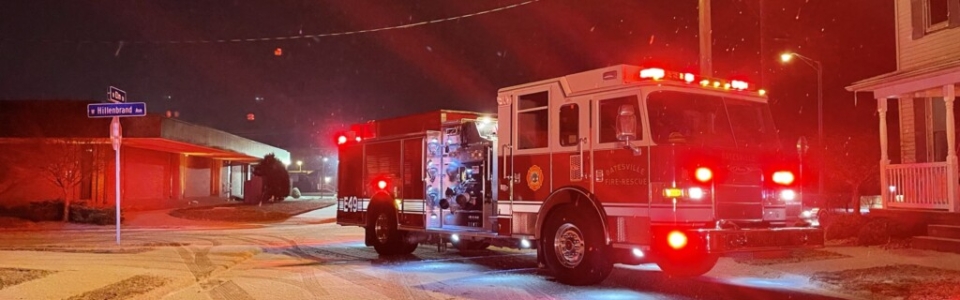

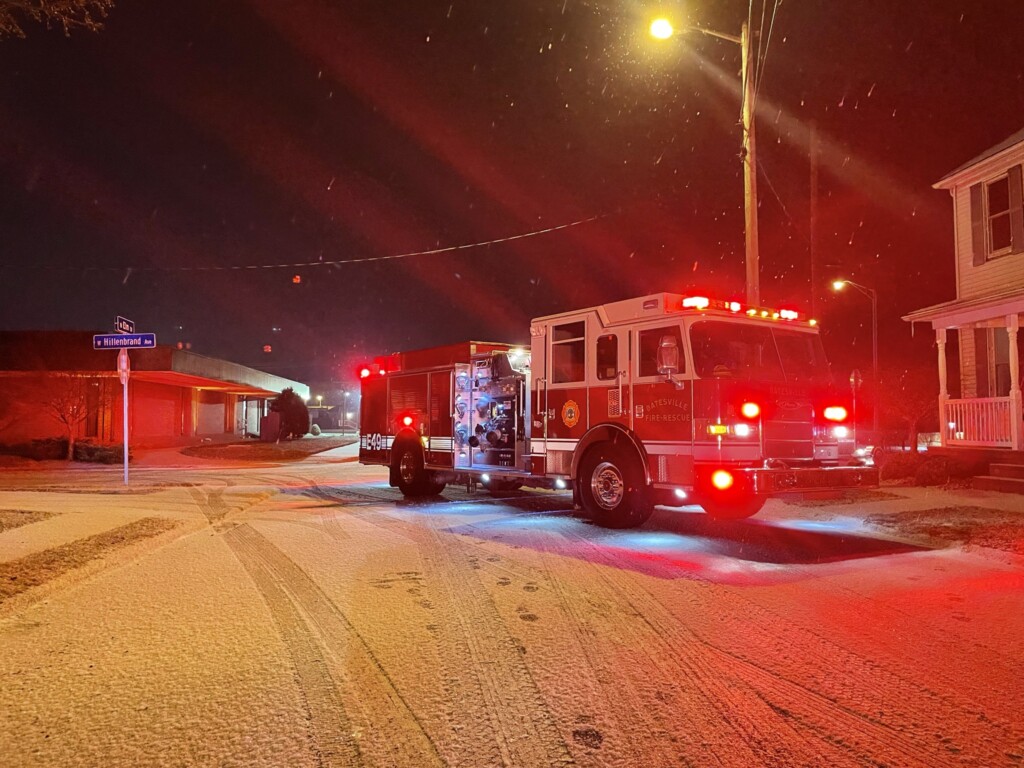
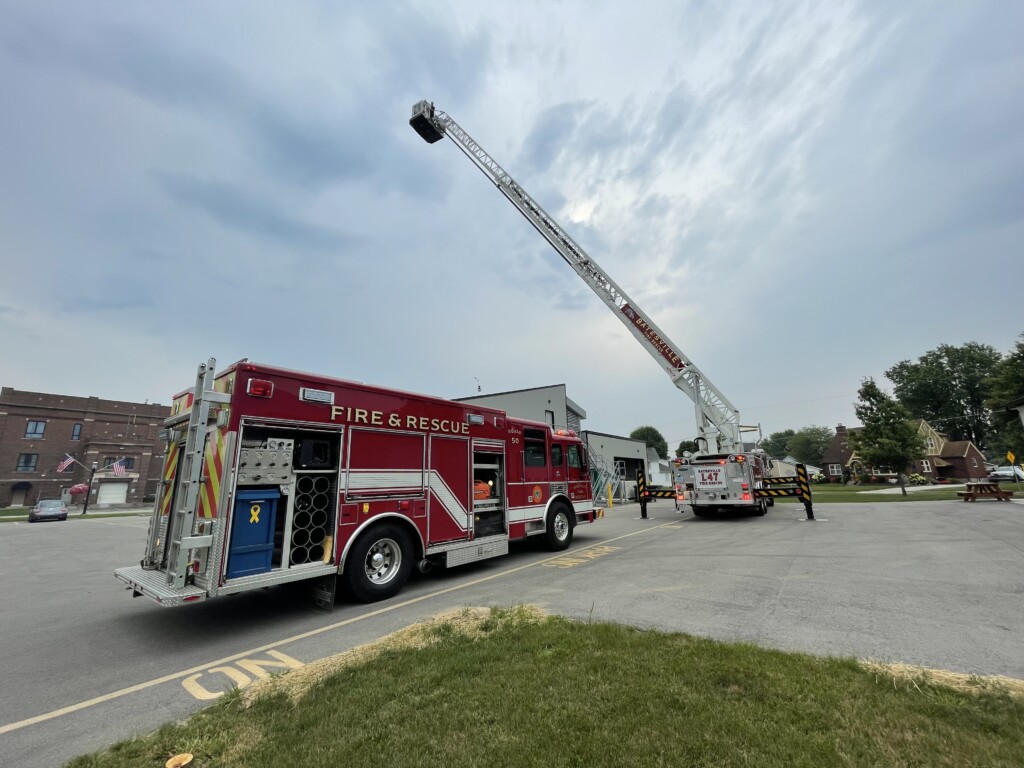
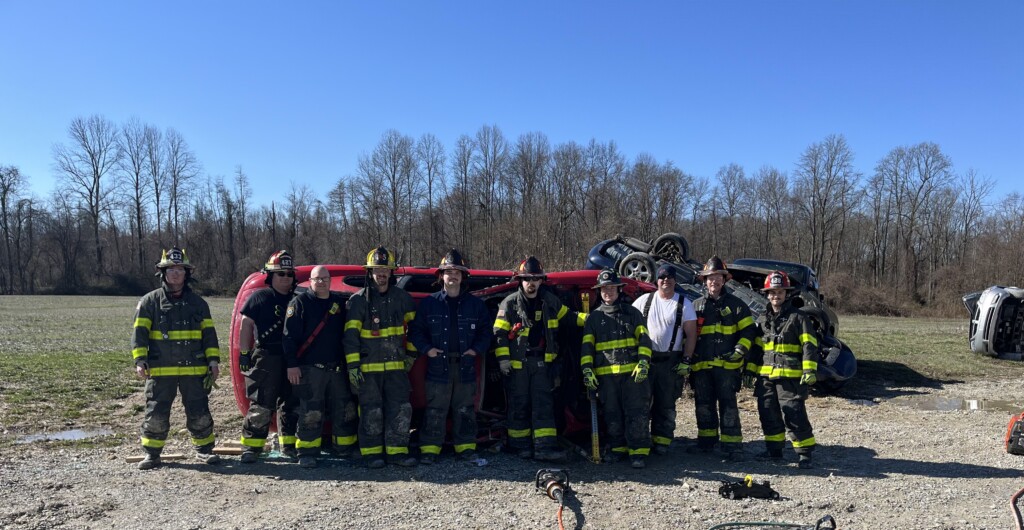
The organization of the Batesville Fire Department began with a meeting of some of the citizens, which took place in 1886 in a two-story frame house located where Geis Electronics & Appliance is now situated.
Perhaps the main reason for this meeting was the big fire, which took place in 1885, when the Union Furniture Co. and several nearby homes were destroyed by fire.
Eventually on April 6, 1887 a constitution was adopted which provided for the organization of the Batesville Fire Department. This constitution provided for the following officers: Chief, Assistant Chief, Hose Captain, Lieutenant Hose Captain, Captain of the Engine, Lieutenant Captain of the Engine, Hook and Ladder Captain and Lieutenant Captain of the Hook and Ladder. The first meeting held was on April 13, 1887.
In 1921 the first motorized fire engine was purchased by the Town Council. This truck is a “one of a kind” Ahrens-Fox. It is still housed at the Fire Station and is called “Old Number One” and is used only in parades. The Ahrens-Fox Company made two of these fire trucks. The other was destroyed prior to delivery.
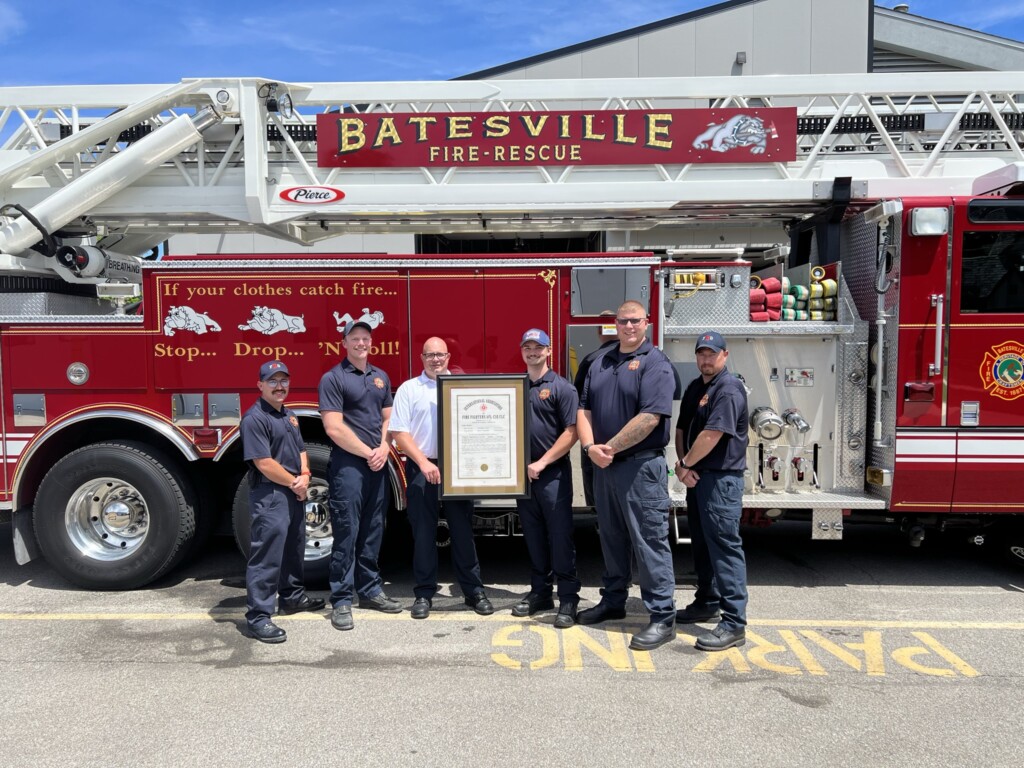
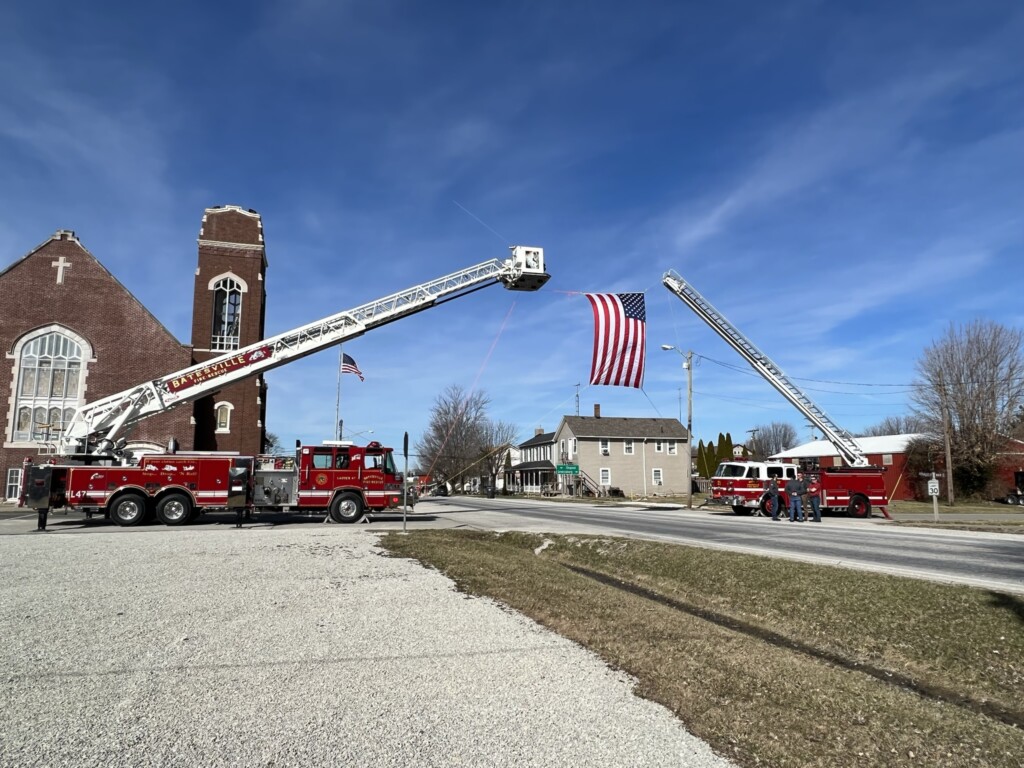
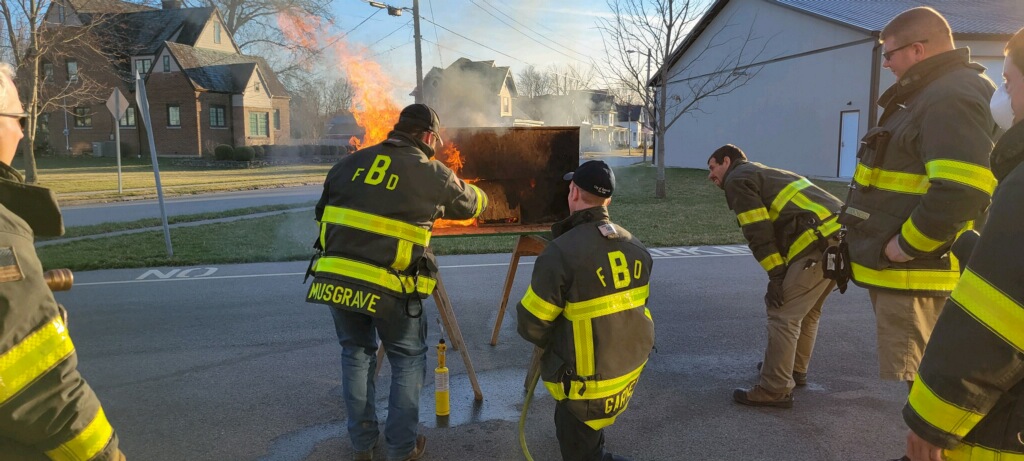
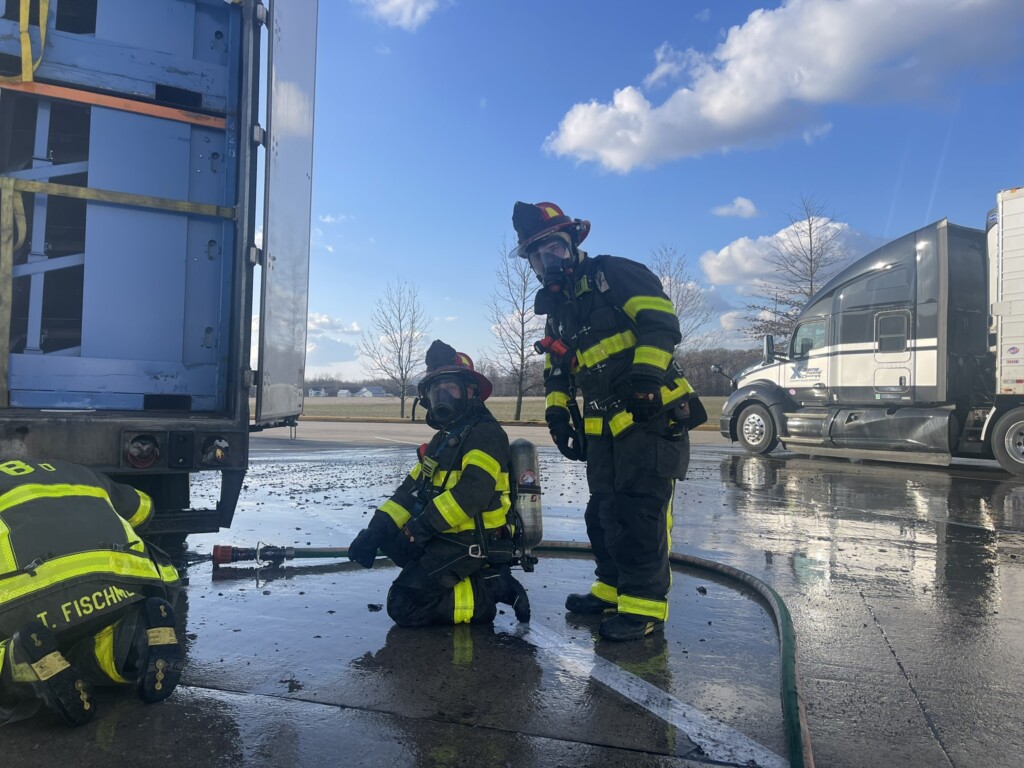
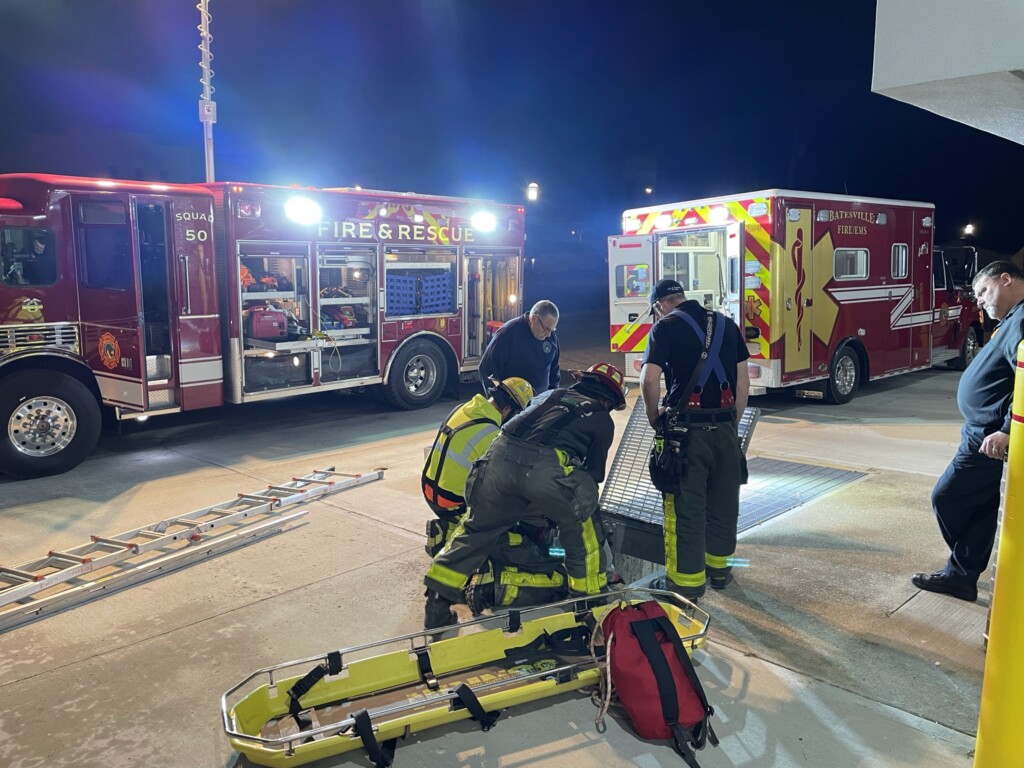
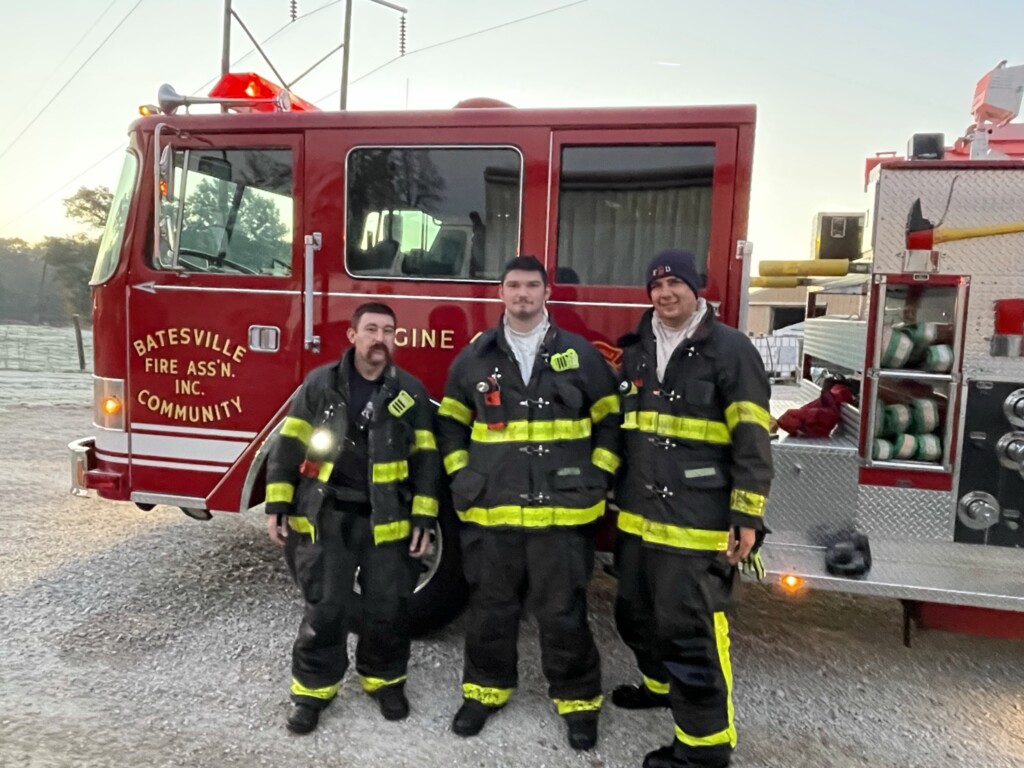
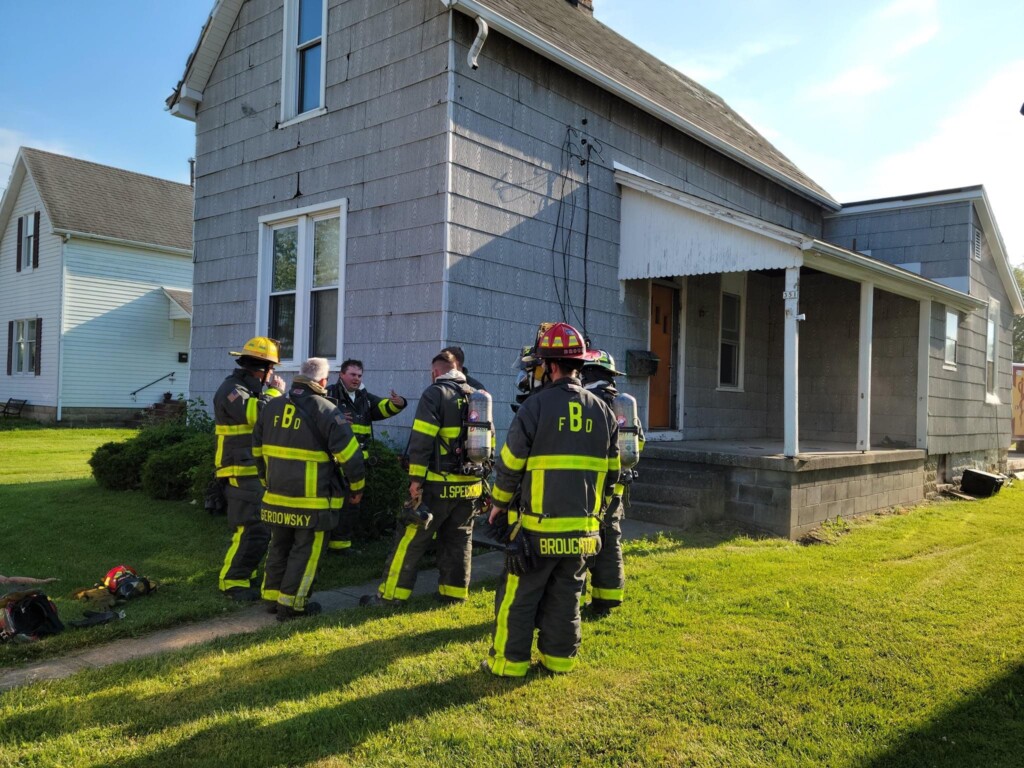
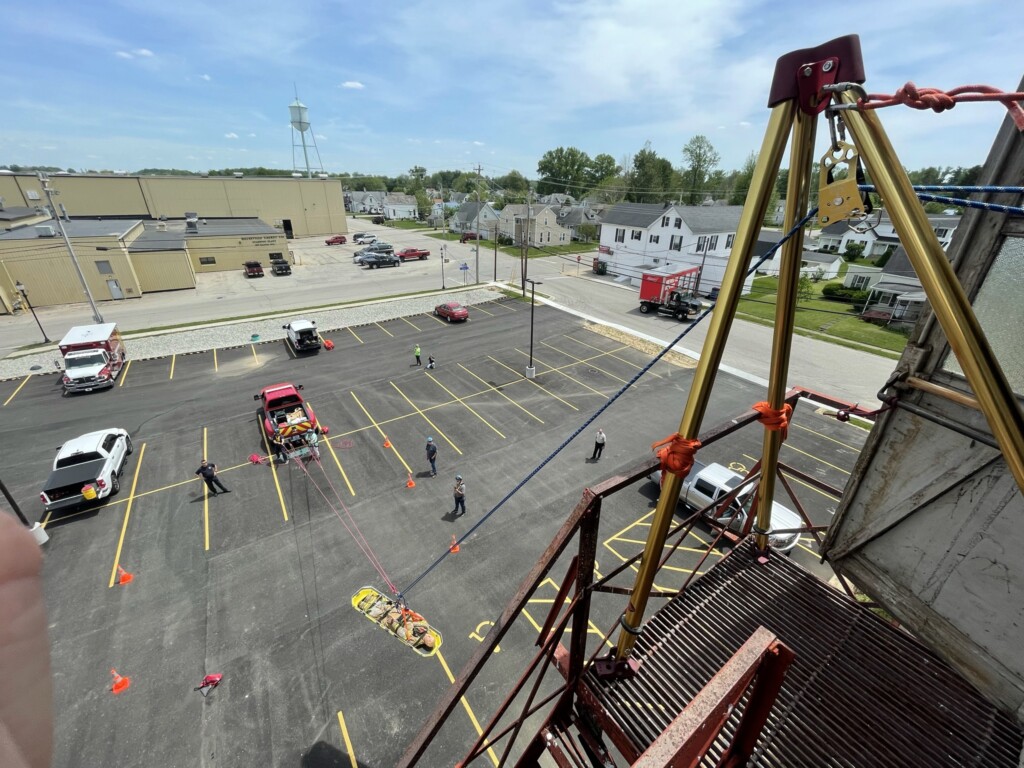
Batesville Fire & EMS has grown considerably over the years. It currently has over two dozen firefighters consisting of a combination of Full-Time, Part-Time, and Paid-on-Call.
The Ladies Auxiliary was formed in 1952 with Rose Ollier elected president. The auxiliary was very supportive of the firemen and helped in many ways. The ladies auxiliary has since been disbanded
Doctor Bill Freeland joined the Fire Department in 1954 and with his help they were able to provide an emergency life squad. They answered all calls within a 15 mile radius. In 1956 they purchased a Chevorlet carryall. Doris Brelage, R.N. was the first woman admitted as a member of the Life Squad in 1974. Today Batesville EMS is staffed 24/7 and operates Advanced Life Support units at the Paramedic Level. The Life Squad averages 1,500 emergency calls per year.
The Batesville Rural Fire Association was started in 1956. There was a need to service those outside the city limits so they formed their own organization in conjunction with the City Fire Department.
